

Unlock the power of manifestation and make your dreams a reality! Our special courses are designed to help you align your thoughts, energy, and actions to attract the success, love, and abundance you deserve. Manifestation isn’t just wishful thinking—it’s a proven method to turn your vision into results. Learn how to visualize your goals, feel the excitement of achieving them, and harness the energy of the universe to create the life you’ve always wanted. Don’t wait—your dream life starts here
Introduction
Toxic relationships can have a profound impact on our mental, emotional, and physical well-being. Whether it’s with a partner, friend, or family member, understanding the dynamics of these relationships and learning how to navigate or exit them is crucial for personal growth and happiness. This article delves deep into recognizing toxic behaviors, their effects, and actionable solutions to reclaim your life and build healthier connections.

Identifying the Signs of a Toxic Relationship
Constant Criticism and Belittling
Have you ever felt like you can’t do anything right in your relationship? That’s often a sign of constant criticism. I remember a friend who would always apologize for the smallest things, like how she dressed or spoke. Her partner’s constant nitpicking had worn her down. It’s important to recognize that healthy relationships involve support, not endless criticism.
Lack of Trust and Excessive Jealousy
Trust is the foundation of any good relationship. When it’s missing, problems arise. Excessive jealousy can manifest in many ways – from constantly checking your phone to getting upset when you spend time with friends. I’ve seen relationships where one partner couldn’t even have a casual conversation with someone else without facing accusations. This behavior isn’t love; it’s control.
Control and Manipulation Tactics
Control can be subtle. It might start with “suggestions” about who you should hang out with or how you should dress. Over time, these “suggestions” become demands. Manipulation often involves guilt-tripping or gaslighting. A colleague once shared how her ex would always twist situations to make her feel like she was overreacting or misremembering events. It’s a way to maintain power in the relationship.

Emotional Impact of Toxic Relationships
Decreased Self-Esteem and Confidence
Toxic relationships can chip away at your self-worth. You might start to believe the negative things your partner says about you. I’ve seen vibrant, confident people become shells of their former selves in toxic relationships. It’s heartbreaking to watch and even harder to experience.
Anxiety and Depression Symptoms
The stress of a toxic relationship can lead to serious mental health issues. You might feel constantly on edge, waiting for the next argument or criticism. Depression can creep in as you lose hope for positive change. These aren’t just “relationship problems” – they’re serious health concerns that shouldn’t be ignored.
Isolation from Friends and Family
Toxic partners often try to isolate you from your support system. They might make you feel guilty for spending time with others or create conflicts with your loved ones. I had a friend who slowly stopped coming to our group gatherings because her partner always had a problem with it. Isolation makes it harder to see the reality of your situation and to get help when you need it.
Physical Manifestations of Relationship Toxicity
Sleep Disturbances and Fatigue
The stress of a toxic relationship can significantly impact your sleep. You might have trouble falling asleep, wake up frequently, or have nightmares. I remember tossing and turning all night after arguments in a past relationship. The resulting fatigue can affect every aspect of your life.
Changes in Appetite and Weight
Stress can mess with your eating habits. Some people lose their appetite entirely, while others turn to food for comfort. I’ve seen friends drop or gain significant weight during toxic relationships. It’s your body’s way of coping with the emotional turmoil.
Stress-Related Health Issues
Chronic stress from a toxic relationship can lead to a host of health problems. Headaches, digestive issues, and a weakened immune system are common. I developed terrible migraines during a particularly stressful period in a past relationship. Your body often knows something’s wrong before your mind is ready to accept it.

Have you laid out the foundation of boundaries in your relationship yet? Learn Why Setting Boundaries Means Everything and how to set them to build a successful relationship.
Reasons We Stay in Toxic Relationships
Fear of Being Alone
The fear of being alone can be paralyzing. I’ve heard friends say, “I’d rather be in a bad relationship than no relationship at all.” This fear can keep us stuck in unhealthy situations. But it’s important to remember that being alone is better than being in constant emotional distress.
Hope for Change and Improvement
It’s natural to hope that things will get better. Maybe if you just try harder, or if your partner has a good day, everything will improve. I’ve been there, holding onto those good moments and hoping they’d become the norm. But hope alone isn’t enough to fix a toxic relationship.
Codependency and Emotional Attachment
Codependency can make it incredibly difficult to leave a toxic relationship. You might feel responsible for your partner’s happiness or believe that you can’t survive without them. Breaking this emotional attachment is tough, but necessary for your well-being.

Hi there!
✅ Do you ever wonder how does your Moon Mate looks like?
✅ What personality or hobbies does he has?
✅ Or not even sure what a moon mate is?
Get a professional astrology reading within seconds, based on the date of your birth and learn
everything mentioned above!
Click the “Learn More” button now, and also receive a sketch of your future Moon Mate!
The Cycle of Toxicity
Tension Building Phase
In this phase, stress starts to build. Small conflicts might arise, and you might feel like you’re walking on eggshells. I remember feeling a knot in my stomach, knowing that something was going to happen, but not knowing when.
Incident or Explosion Phase
This is when the tension erupts. It could be a big fight, a bout of silent treatment, or any form of emotional or physical abuse. It’s scary and draining, leaving you feeling helpless and hurt.
Reconciliation and Honeymoon Phase
After the explosion comes the apologies and promises to change. Things might feel good for a while. Your partner might be extra loving and attentive. But without real change, this phase doesn’t last, and the cycle begins again.

The Secret to Make love Last. Get your copy for the #1 Best-selling book now!
Recognizing Your Role in the Relationship
Identifying Personal Boundaries
Understanding your boundaries is crucial. What behavior are you willing to accept? What crosses the line? I had to learn that it’s okay to say no and to expect respect. Your boundaries are valid and important.
Understanding Your Emotional Needs
We all have emotional needs in a relationship – for affection, respect, support, and more. Recognizing what you need can help you understand where your current relationship might be falling short.
Recognizing Patterns from Past Relationships
It’s important to look at your relationship history. Are there patterns you keep repeating? I realized I kept choosing partners who needed “fixing,” which always left me drained. Recognizing these patterns can help break the cycle.
Steps to Address a Toxic Relationship
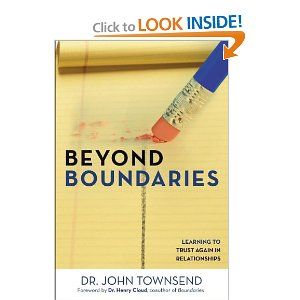
Discover how to re-enter a life of intimate relationships. Whether you’re trying to restore a current relationship or begin a new one, Townsend gives practical tools for establishing trust and finding the intimacy you long for.
Open and Honest Communication
Clear communication is key. Express your feelings and concerns without blame. Use “I” statements like “I feel hurt when…” instead of “You always…” It’s not easy, but it’s necessary for any chance of improvement.
Setting Clear Boundaries
Once you’ve identified your boundaries, communicate them clearly. Be firm about what you will and won’t accept in the relationship. It might feel uncomfortable at first, but it’s essential for your well-being.
Seeking Professional Help
Sometimes, outside help is needed. A therapist or counselor can provide tools and strategies for improving your relationship or help you navigate ending it. I found therapy incredibly helpful in understanding my own patterns and needs.
Can a Toxic Relationship Be Fixed?

Assessing Both Partners’ Willingness to Change
Change is only possible if both partners are willing to put in the work. It’s not just about promises, but consistent action. If one person isn’t committed to change, the relationship likely won’t improve.
Implementing Healthy Relationship Practices
This might involve learning new communication skills, practicing empathy, or finding healthier ways to resolve conflicts. It’s a process that takes time and effort from both partners.
Monitoring Progress and Setbacks
Change isn’t linear. There might be improvements followed by setbacks. It’s important to keep track of overall progress. Are things genuinely getting better, or are you stuck in the same cycles?
When to Consider Ending the Relationship
Persistent Abuse or Disrespect
If there’s ongoing emotional, physical, or verbal abuse, it’s time to leave. Your safety and well-being should always come first. No amount of love justifies abuse. Do not try to convince yourself that they love you regardless of the abuse. This is never the case and you are only causing yourself more pain and suffering but staying in the relationship itself.
Lack of Effort or Change from Your Partner
If you’re the only one trying to improve things, it might be time to reconsider the relationship. Change requires effort from both partners.
Continued Negative Impact on Your Well-being
If the relationship continues to harm your mental or physical health despite attempts to improve it, it might be time to let go. Your health and happiness matter.

Healing and Moving Forward
Self-Care and Personal Growth
After leaving a toxic relationship, focus on taking care of yourself. This might involve rediscovering old hobbies, practicing mindfulness, or simply giving yourself time to rest and heal.
Building a Support Network
Reconnect with friends and family. Surround yourself with positive, supportive people. Don’t be afraid to lean on others during this time.
Learning from the Experience
Reflect on what you’ve learned from the relationship. Use these insights to make healthier choices in the future. Every experience, even painful ones, can lead to growth and self-discovery.
Summary
Recognizing and addressing toxic relationships is a journey of self-discovery and courage. It’s about understanding the signs, acknowledging the impact, and taking steps towards a healthier, happier life. Remember, you deserve respect, love, and kindness in your relationships. Don’t settle for less.
Frequently Asked Questions
- How long does it take to recover from a toxic relationship?
Recovery time varies for everyone. It depends on the length and intensity of the relationship, your support system, and your own healing process. Be patient with yourself.
- Can a toxic person change their behavior?
Change is possible, but it requires genuine willingness and consistent effort. It often also requires professional help and a deep commitment to personal growth.
- Is it possible to remain friends after ending a toxic relationship?
It’s generally advisable to have a period of no contact after ending a toxic relationship. Friendship might be possible later, but only if both people have grown and changed significantly.
- How can I support a friend in a toxic relationship?
Listen without judgment, offer resources, and be there for them. Avoid criticizing their partner directly, as this might push them away. Encourage them to seek professional help.
- What are some resources available for those in toxic relationships?
There are hotlines, support groups, online forums, and professional counseling services available. Local women’s shelters and community centers often have resources as well.Relationships are among the most profound aspects of human experience, and healthy relationships thrive on mutual understanding, respect, and trust. One critical aspect that often gets overlooked or misunderstood in relationships is the concept of boundaries. In simple terms, boundaries are the guidelines or limits that define how partners treat each other, outlining acceptable behavior, communication styles, and emotional and physical space. Boundaries allow partners to feel safe, respected, and understood, promoting an environment where love can flourish.
