You keep feeling pulled toward tarot.
Not because someone told you to learn it.
Not because you need another tool.
But because something in you already recognizes it.
You have looked at the cards before and felt something.
A quiet knowing.
A sense that the answers you search for are already within reach.
Then the doubt comes in.
What if I do it wrong
What if I do not understand the meanings
What if I am not intuitive enough
So you pause.
You wait.
You tell yourself you will learn it later.
But the truth is simple.
You are not trying to become intuitive.
You are remembering how to listen.
Tarot does not give you something you do not have.
It helps you trust what is already there.
This guide will show you how to begin.
If you already feel drawn to tarot but still second guess yourself, a clarity reading helps you understand what your energy already knows.
Book your session here
https://psychicjoellechan.com/private-sessions/
Many people feel drawn to tarot cards long before they understand how tarot works. A tarot deck often appears during moments of curiosity, life transition, or spiritual awakening. People sense that tarot holds insight. They feel a quiet pull toward the cards.
Then a question appears.
How do you read tarot cards if you are a beginner?
Many beginners assume tarot requires psychic ability or years of mystical training. This belief stops many people from learning tarot even though tarot remains one of the most accessible intuitive tools available.
Tarot works through symbolism, pattern recognition, and intuitive reflection. Anyone who studies the structure of the cards and practices reading them learns how tarot communicates messages.
Tarot reading combines three elements.
Symbol interpretation
Intuitive awareness
Story pattern recognition
When these three elements come together, tarot readings become clear and meaningful.
This beginner guide explains how to read tarot cards step by step. You will learn how tarot decks work, how to connect with your cards, how to interpret spreads, and how to develop confidence with tarot readings.
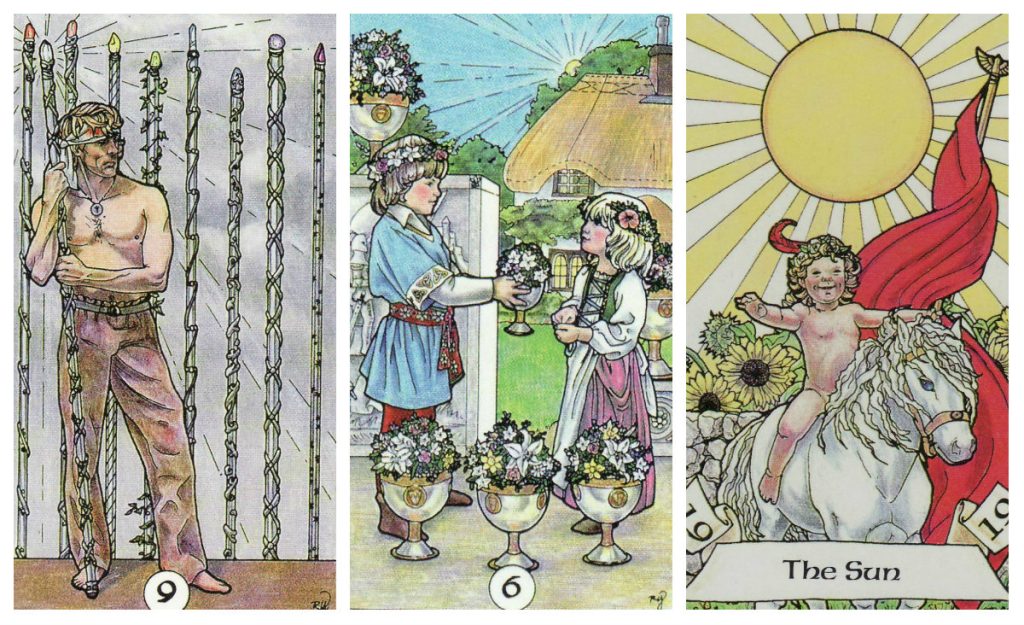
Examples throughout this guide reference the imagery found in the Robin Wood Tarot. This deck reflects traditional tarot symbolism while presenting vivid artwork which helps beginners understand card meanings with clarity.
You will also learn an easier path for people who find tarot overwhelming at first. Many beginners prefer starting with Lenormand because the card system uses simpler symbols and more direct interpretations.
On my website you will also find a complete guide to the Gilded Reverie Lenormand deck where each card receives a full explanation including meanings, symbolism, and card combinations. Many beginners begin with Lenormand before transitioning into tarot.
By the end of this guide you will understand:
How tarot cards communicate messages
How to prepare for a tarot reading
How to interpret tarot cards in context
How to perform your first tarot spread
Tarot does not require perfection. Tarot rewards curiosity and practice.
When you approach tarot with patience and openness, the cards begin to speak.
If you want direct guidance on your situation, I offer personal tarot readings focused on love, clarity, and next steps.
Book your reading here
https://psychicjoellechan.com/private-sessions/
Understanding The Structure Of A Tarot Deck
Before learning how to read tarot cards, you must understand how the tarot deck organizes its messages.
A traditional tarot deck contains 78 cards. These cards divide into two main groups.
Major Arcana
Minor Arcana
Each group serves a different purpose during readings.
Major Arcana
The Major Arcana contains 22 cards. These cards represent major life themes and spiritual lessons.
Examples include.
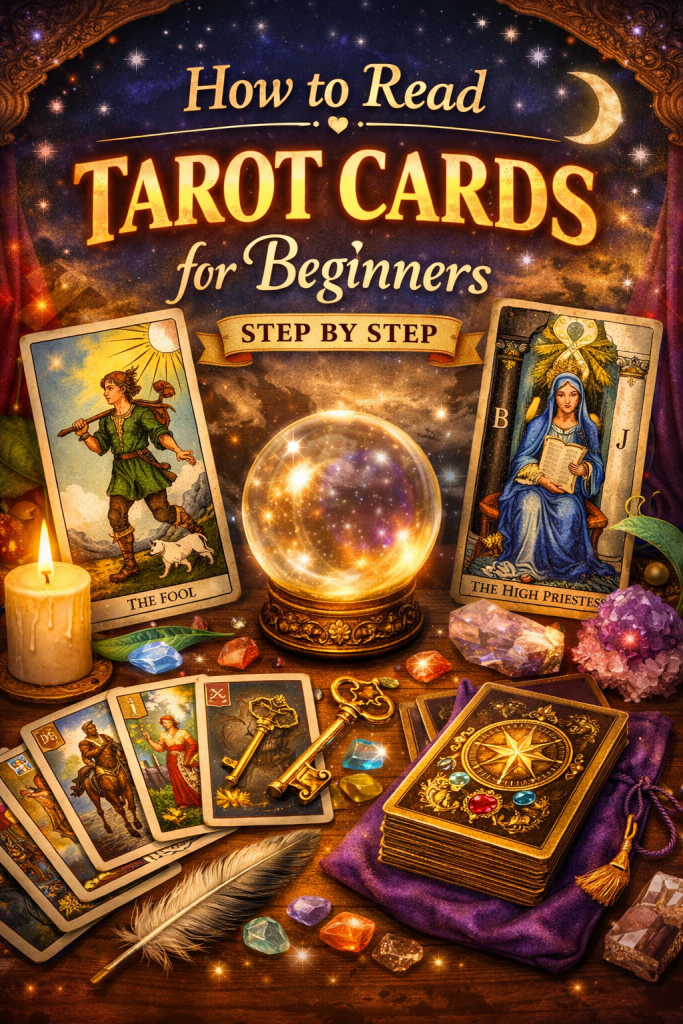
The Fool
The Magician
The High Priestess
The Lovers
Death
The Star
The World
Major Arcana cards appear when a reading addresses important life events, deep emotional growth, or long term spiritual changes.
For example, when the Fool appears in a reading, it often signals a new chapter. When the Death card appears, transformation often occurs.
In the Robin Wood Tarot, these cards contain strong visual storytelling. The imagery helps readers connect easily with the spiritual theme of each card.
Minor Arcana
The remaining 56 cards belong to the Minor Arcana. These cards reflect everyday situations and emotional dynamics.
The Minor Arcana divides into four suits.
Cups
Pentacles
Swords
Wands
Each suit represents a different area of life.
Cups represent emotions and relationships.
Pentacles represent money, work, and physical reality.
Swords represent thoughts, conflict, and communication.
Wands represent creativity, motivation, and life direction.
Each suit contains fourteen cards.
Ace through Ten
Page
Knight
Queen
King
These cards reveal how situations develop through stages of growth.
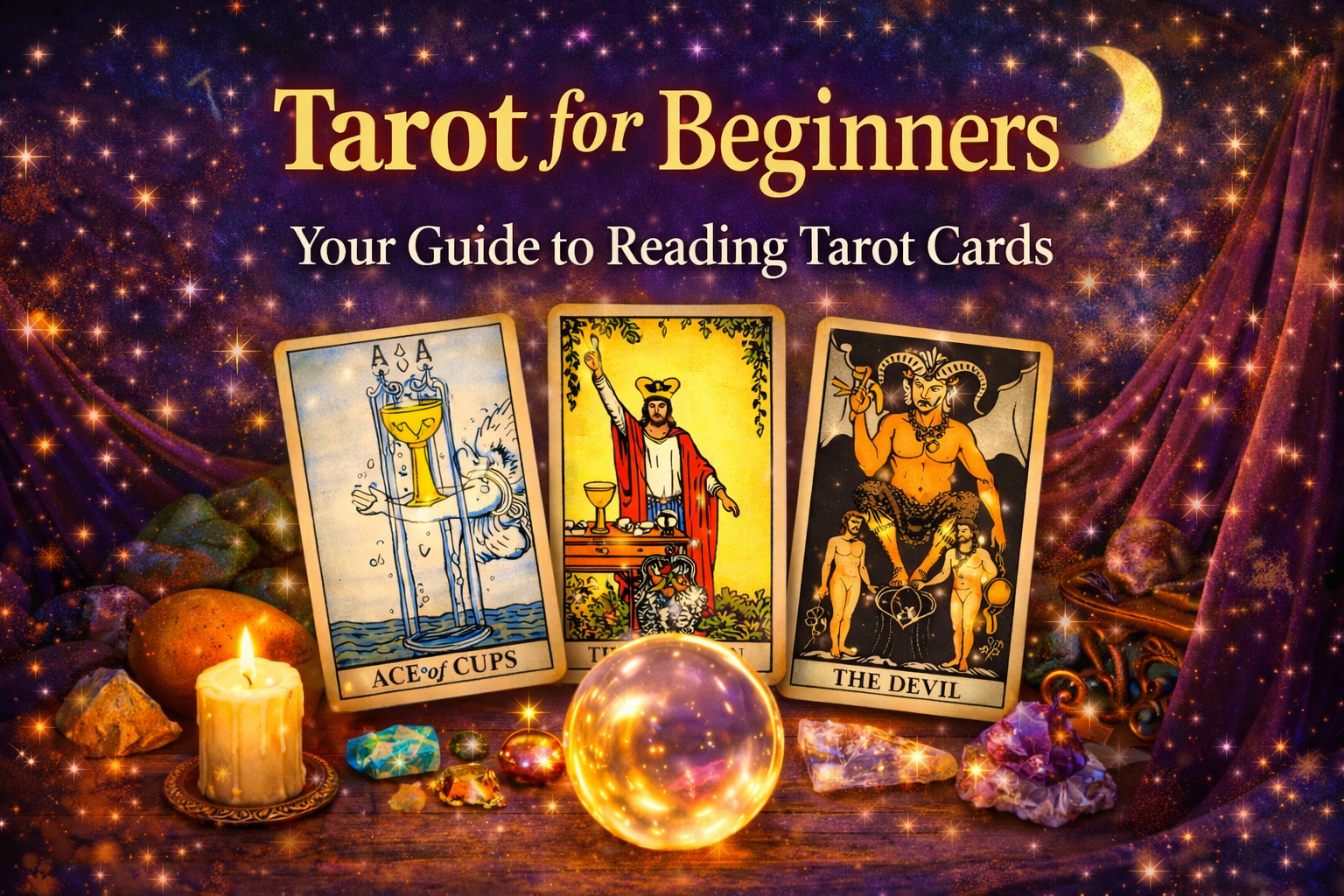
For example, the Ace of Cups often represents the beginning of emotional connection. The Ten of Cups represents emotional fulfillment.
Understanding this structure helps beginners interpret tarot readings faster.
Choosing Your First Tarot Deck
Many beginners worry about choosing the correct tarot deck.
Some people believe tarot decks must arrive as gifts. Others believe certain decks carry stronger spiritual power.
These myths create unnecessary confusion.
The best tarot deck for beginners uses imagery which feels clear and engaging.
The Robin Wood Tarot offers an excellent starting point. Its symbolism follows the traditional Rider Waite structure. Most tarot books and guides reference this visual structure.
The artwork contains vibrant colors, natural landscapes, and expressive characters. These elements help beginners understand the emotional message of each card.
When selecting a tarot deck, consider three factors.
Clear imagery
Emotional connection
Traditional symbolism
Avoid abstract decks during the early learning phase. Detailed scenes help your mind recognize patterns and meanings.
After gaining experience you will explore other tarot styles.
If you are unsure which deck connects to you, this is something I help clients with in sessions.
You will feel clear instead of confused.
Book a clarity session here
https://psychicjoellechan.com/private-sessions/
Preparing Your Tarot Deck For Reading
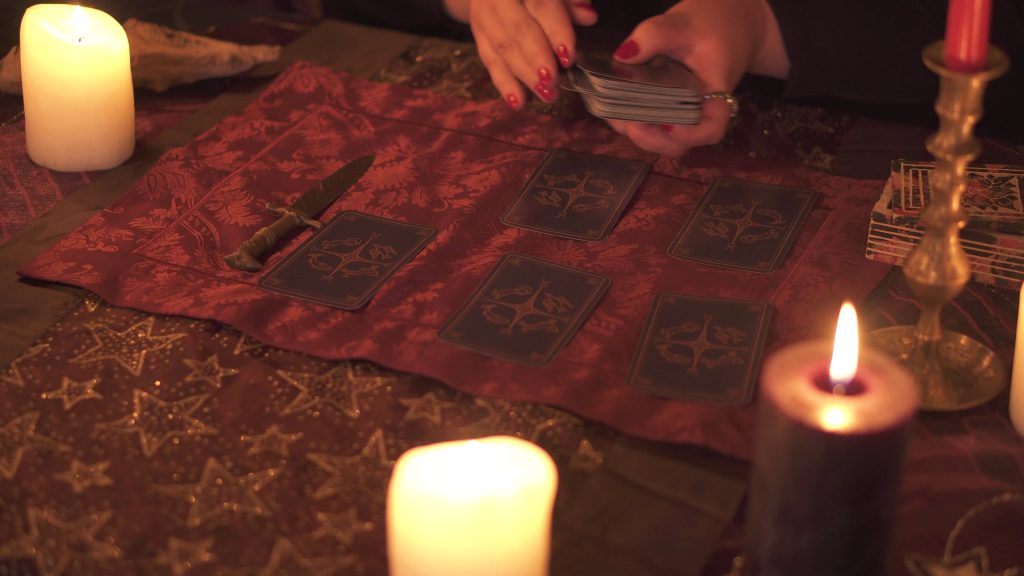
Before performing your first tarot reading, take time to connect with your deck.
Tarot works best when you treat the deck as a reflective tool rather than a random object.
Many readers develop a simple preparation routine.
Common preparation steps include:
Holding the deck quietly for a few minutes
Shuffling the cards slowly
Setting an intention for the reading
These steps calm your mind and focus your attention.
Some tarot readers cleanse their decks using incense, white sage or moonlight. These rituals help certain readers feel spiritually aligned. Others prefer a simple quiet moment.
Consistency matters more than complexity.
Choose a routine which helps you focus.
A calm mind produces clearer readings.
Your connection to tarot strengthens faster when your energy feels calm and clear.
If you feel blocked or unsure, a session helps you reconnect to your intuition quickly.
Book here
https://psychicjoellechan.com/private-sessions/
Learning Tarot Card Meanings
Every tarot card carries several layers of meaning:
Surface meaning
Emotional meaning
Spiritual theme
Contextual message
Beginners often start by memorizing keywords. Keywords create a foundation.
For example.
The Fool represents beginnings and new journeys.
The Magician represents personal power and manifestation.
The High Priestess represents intuition and inner wisdom.
While studying meanings helps, tarot readings improve through observation.
Study the artwork carefully.
Look at the body language of the figures.
Observe the environment surrounding the characters.
Notice colors and symbols.
In the Robin Wood Tarot, symbolism appears clearly in each scene. For example, the Fool walks near a cliff edge while gazing upward toward possibility. This posture suggests curiosity and risk.
When you examine tarot imagery closely, meanings become easier to remember.
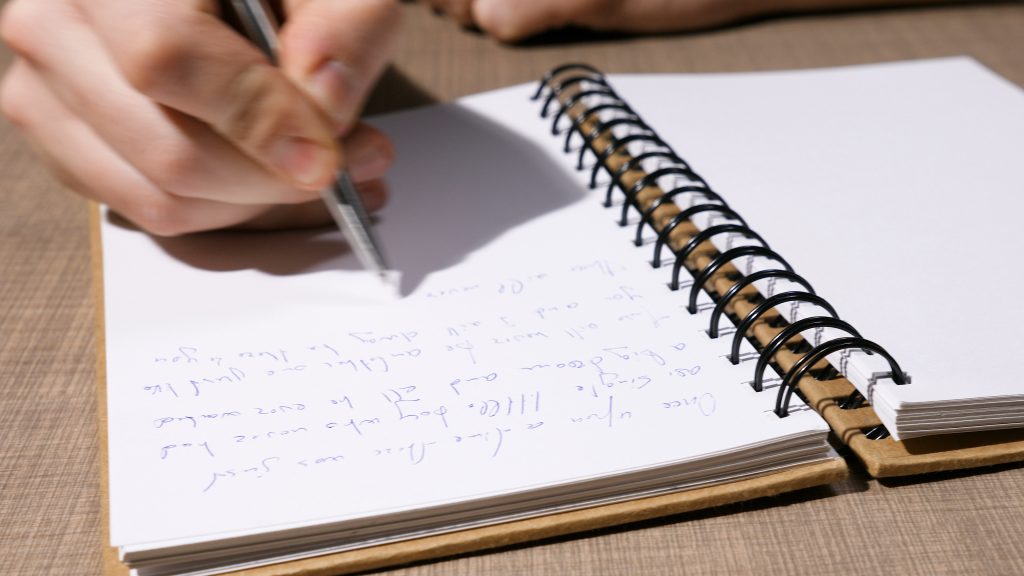
Many beginners keep a tarot journal.
After each reading write down:
The cards drawn
The question asked
The interpretation
The outcome
This habit strengthens your understanding quickly.
I have read for thousands of clients and one pattern always shows up.
Clarity does not come from more information.
It comes from understanding what your energy is already showing you.
If you want that level of clarity, book your reading here
https://psychicjoellechan.com/private-sessions/
A Simpler Alternative If Tarot Feels Overwhelming
Tarot contains seventy eight cards. The symbolism layers sometimes feel overwhelming for beginners.
If tarot feels intimidating, consider starting with Lenormand.
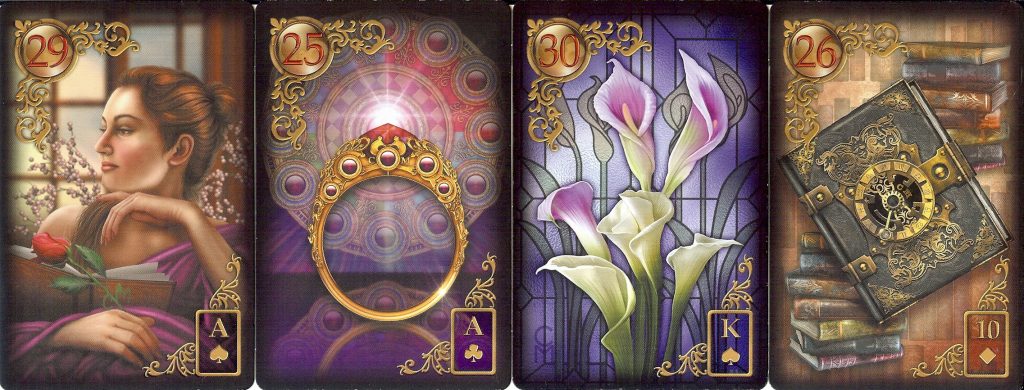
Lenormand uses a system of thirty six cards. Each card represents a simple symbol such as a key, letter, heart, ship, or crossroads. These symbols create direct messages when combined together.
Many beginners find Lenormand easier to learn because the meanings remain straightforward and practical.
For example.
The Heart represents love.
The Ring represents commitment.
The Snake represents deception or complication.
The Sun represents success.
When two or three Lenormand cards appear together they form a short sentence.
This structure allows beginners to read messages quickly.
On my website you will find a full guide to the Gilded Reverie Lenormand deck. Each article explains the card symbolism, positive meanings, negative meanings, and card combinations in detail.
Many readers begin with Lenormand to build confidence. After learning how symbolic messages work they transition into tarot more easily.
Both systems strengthen intuitive awareness.
How To Ask Tarot Questions
The quality of a tarot reading often depends on the quality of the question. Beginners sometimes ask questions which limit interpretation.
Example:
Will I get the job?
Yes or no questions create narrow answers. Tarot works better with open questions.
Better examples include:
What energy surrounds my career right now
What lesson exists in this relationship
What guidance helps me move forward
Open questions allow tarot cards to provide insight rather than prediction.
This approach leads to deeper readings.
Simple Tarot Spreads For Beginners
Tarot spreads organize cards into positions. Each position represents a specific area of interpretation.
Beginners benefit from starting with small spreads.
One Card Reading
The simplest tarot reading uses one card.
Ask a question.
Shuffle the deck.
Draw one card.
Interpret the card as guidance for the situation.
This method strengthens intuition quickly.
Try this today.
Pull one card and write what you feel before looking up the meaning.
If you want help interpreting your cards in real time, book a session here
https://psychicjoellechan.com/private-sessions/
Three Card Spread
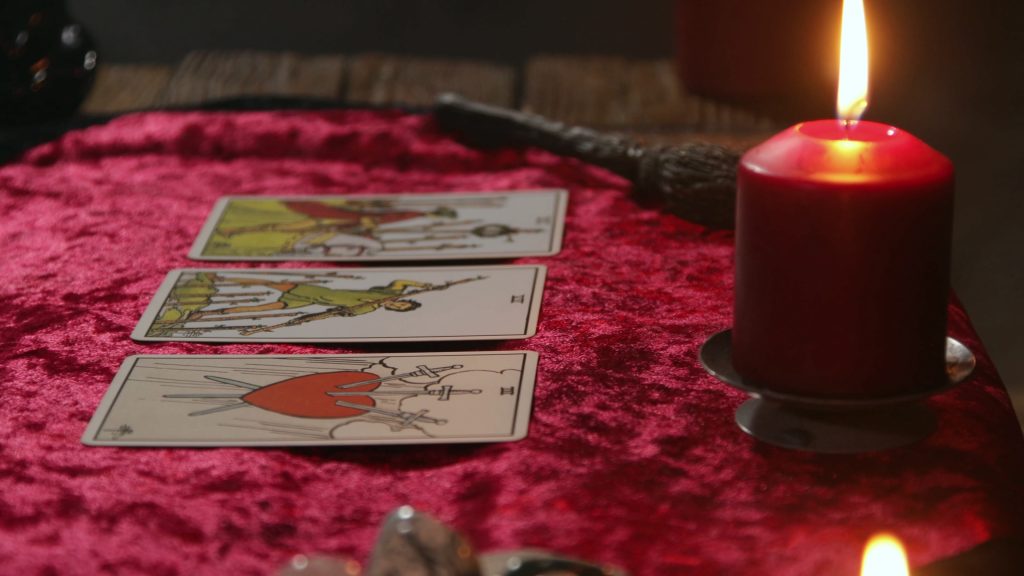
The three card spread offers more context.
A common structure uses.
Past
Present
Future
Another version uses.
Situation
Challenge
Guidance
For example imagine someone asking about a relationship.
Card one reveals emotional history.
Card two reveals the current dynamic.
Card three reveals helpful guidance.
Three card spreads remain popular because they offer clarity without overwhelming beginners.
Step By Step Tarot Reading Process
Now combine everything into a simple process.
Step 1: Prepare Your Space
Choose a quiet environment. Reduce distractions.
Light a candle or sit near natural light.
This step signals your mind that a reflective moment begins.
Step 2: Form Your Question
Think about the situation you want to explore.
Create an open question.
Example: What guidance helps me navigate my career path right now
Step 3: Shuffle The Cards
Shuffle while focusing on the question.
Many readers stop shuffling when they feel ready.
Trust your sense of timing. There is no set amount of times to shuffle the cards. The best way to shuffle the cards is to shuffle until you want to shot. Also cut as the cards as many times as you like. You will know when to stop because your hands will feel like it wants to stop itself.
Step 4: Draw The Cards
Pull the number of cards needed for your spread.
Place them face down.
Reveal them one by one.
Step 5: Observe Before Interpreting
Look closely at the images.
Notice emotional tone.
Ask yourself.
What feeling appears in this card
What situation does this scene resemble
Your first impression often contains intuitive insight. Go with the card that is calling to you first. You do not need to do it in a certain order. Its ok to jump back and forth between cards.
Step 6: Connect Card Meanings
Combine traditional meanings with the visual symbolism.
Example:
If the Ace of Cups appears in a love reading, it suggests emotional beginnings or renewed connection.
If the Five of Swords appears in a conflict reading, it reflects tension or disagreement.
Step 7: Interpret The Story
Tarot cards form narratives.
For example:
The Fool followed by the Two of Wands suggests a new idea which requires planning.
The Tower followed by the Star suggests upheaval followed by healing.
Look for progression between cards.
You do not need to get it perfect.
You need to start.
If you want guidance while you learn, I offer readings where I explain exactly what I see and why.
Book here
https://psychicjoellechan.com/private-sessions/
Common Beginner Tarot Mistakes
Every beginner experiences similar challenges.
Overthinking the cards causes confusion and misunderstandings of the messages that are part of the tarot reading. Beginners search for complex interpretations when the card already carries a clear message. Trust the core symbolism first and then trust the first message that comes to you when looking at the card.
Drawing too many cards- Do not do this!
When confusion appears beginners often pull additional cards. Too many cards create clutter. This is also a sign that you pull too many cards , you do not trust what you are getting the first time. Instead, focus on fewer cards until interpretation skills grow stronger.
If you feel stuck, it is not because you are doing it wrong.
It is because you need clarity, not more guessing.
Book your clarity reading here
https://psychicjoellechan.com/private-sessions/
Ignoring Intuition Is One Of The Biggest No To Do
Books teach meanings. Your intuition recognizes context. Both sources work together. Practice listening to your first reaction when seeing a card. Trust that is the correct answer. You may not agree with it at times, but that’s ok. The key here is to trust your intuition because learning to read intuitively is how you become an excellent tarot card reader. You will develop your own sense of style of reading if you learn to trust your own intuition from the beginning.
How Long It Takes To Learn Tarot
Tarot learning progresses through stages.
First stage. Card recognition
Second stage. Meaning interpretation
Third stage. Story integration
Many beginners recognize card meanings within three months of regular practice. Deep mastery develops through years of reading. Consistency produces progress. Many professional readers continue studying tarot for decades.
Building Confidence As A Tarot Reader
Confidence grows through repetition. Practice reading for yourself. If you find yourself having a tarot time reading for yourself, then practice with friends and family.
Observe how situations unfold after readings. When you are reading for others, just say the messages as they come to you. Also, invite the person you are reading for to be more engaged with their reading. This feedback strengthens understanding between both you as the reader and the client, who will receive the messages needed for their time of the reading.
Many readers also study symbolism traditions, intuitive exercises, and tarot spreads. While its ok to learn all of this, you want to build your own intuitive reading style that you can adapt to any deck of your own choosing. Over time tarot reading becomes natural. It becomes easier as you practice more frequently. You will recognize card patterns more quickly. Interpretation becomes faster. Most important, you trust your insight.
You are not learning tarot to become someone else.
You are learning to trust yourself.
If you want support in that process, book a session here
https://psychicjoellechan.com/private-sessions/
My Personal Thoughts On Learning Tarot
Tarot offers more than fortune telling. Tarot reflects the patterns of human experience. The cards reveal emotional cycles, relationship dynamics, and personal growth. When beginners approach tarot with curiosity, patience, and practice, the language of tarot becomes clear.
If tarot feels complex at first, remember another path exists.
Many readers begin with Lenormand to develop their symbolic reading skills. My complete Gilded Reverie Lenormand guide explains each card in depth including meanings, symbolism, and card combinations. This series provides a simple foundation for people who want to start reading cards in a clear and structured way.
With time the cards stop feeling mysterious. They begin to feel familiar. Every tarot reader starts the same way. They draw the first card and ask one simple question.
What message wants my attention today?
If you are ready for clarity in your love life, your path, or a situation you cannot stop thinking about, I will help you see what is really going on beneath the surface.
All sessions are private and focused on giving you direct, honest insight.
Book your reading here
https://psychicjoellechan.com/private-sessions/
